Technology has been the driving force of human progress for centuries, evolving from primitive tools to the complex digital systems that define modern life. As we navigate the 21st century, technology continues to shape our world at an unprecedented pace, touching every aspect of society—from communication and healthcare to education, transportation, and entertainment. This article explores the evolution of technology, its current impact on our daily lives, and what the future may hold.
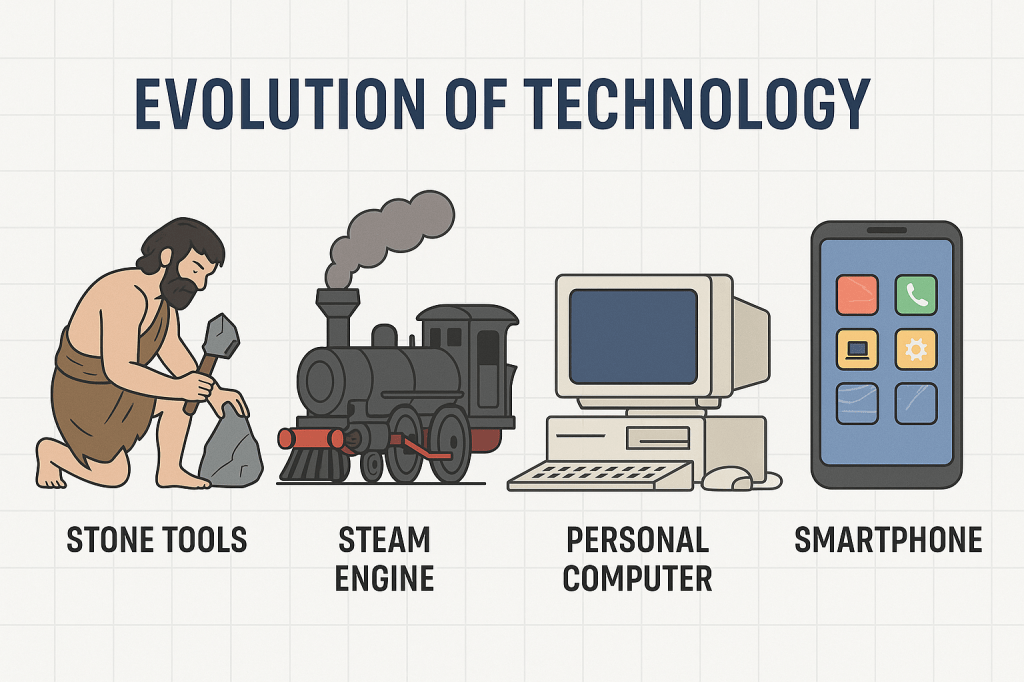
The Evolution of Technology
The journey of technology began with the earliest human inventions—simple tools made from stone, wood, and bone. These early technologies helped humans hunt, build shelter, and protect themselves. The discovery of fire and the invention of the wheel marked significant milestones in prehistoric innovation, setting the stage for more advanced developments.
With the advent of agriculture around 10,000 years ago, human societies began to settle and grow, prompting the need for better tools and systems. The Bronze and Iron Ages introduced metalworking, leading to stronger tools and weapons. Over time, these technologies contributed to the rise of civilizations.
The Industrial Revolution in the 18th and 19th centuries was a turning point in technological progress. Mechanized production, steam engines, and innovations in transportation and manufacturing transformed economies and societies. Factories replaced handcrafts, trains connected distant cities, and machines began to do the work once reserved for human hands.
The 20th century witnessed even more radical changes. Electricity became widespread, the automobile and airplane changed travel forever, and the invention of the telephone, radio, and television revolutionized communication. However, the most transformative technological leap came in the latter half of the century with the advent of computers and the internet.
The Digital Age
The digital revolution, beginning in the 1970s, introduced computing power into every facet of life. The personal computer made its debut, followed by the internet, which connected the world in ways previously unimaginable. The 1990s and 2000s saw the rise of mobile phones, email, and the World Wide Web, which radically changed how people interact, work, and access information.
Social media platforms, cloud computing, and e-commerce emerged in the early 21st century, creating new industries and redefining existing ones. Today, billions of people rely on digital technology for daily activities, including banking, shopping, learning, and socializing.
Artificial Intelligence (AI) and Machine Learning (ML) have further accelerated technological advancement. AI systems can now perform complex tasks such as language translation, image recognition, and even medical diagnosis. Technologies like virtual assistants, recommendation engines, and autonomous vehicles showcase how far AI has come and its potential to reshape the future.
Impact on Society
Technology has had profound effects on how we live and work. Some of the most significant impacts include:
1. Communication
Technology has revolutionized communication. From emails and text messages to video calls and social media, people can now connect across the globe instantly. Platforms like Zoom, WhatsApp, and Slack have become integral to personal and professional interactions, especially during events like the COVID-19 pandemic.
2. Education
Technology has transformed education by making learning more accessible and flexible. Online courses, educational apps, and virtual classrooms enable students from different parts of the world to access quality education. Tools like Khan Academy, Coursera, and Duolingo empower self-paced learning and skill development.
3. Healthcare
In the healthcare sector, technology has led to major improvements in diagnostics, treatment, and patient care. Electronic health records, telemedicine, and wearable health devices allow for better monitoring and management of health. AI-driven tools are now used to detect diseases like cancer at early stages, saving lives and reducing costs.
4. Business and Work
Businesses have adopted digital technologies to streamline operations, improve customer service, and innovate products. Remote work, enabled by collaboration tools like Microsoft Teams and Google Workspace, has become the norm for many companies. Automation and data analytics allow businesses to operate more efficiently and make informed decisions.
5. Transportation
From electric vehicles to ride-sharing apps, technology is revolutionizing transportation. Companies like Tesla are pushing the boundaries of sustainable transport, while autonomous driving technology continues to develop. GPS navigation, real-time traffic updates, and smart logistics systems make travel and goods delivery faster and more efficient.
6. Entertainment
The entertainment industry has been transformed by technology. Streaming platforms like Netflix, YouTube, and Spotify have replaced traditional media, offering on-demand content to global audiences. Video games, virtual reality, and augmented reality are redefining how people engage with digital experiences.
Challenges and Ethical Considerations
While technology brings many benefits, it also presents challenges and ethical dilemmas. Issues such as data privacy, cybercrime, digital addiction, and job displacement due to automation must be addressed carefully.
Data Privacy and Security
As more personal information is stored online, concerns about privacy and data security have grown. Cyberattacks, identity theft, and data breaches can have serious consequences. Protecting user data and building secure digital systems is a priority for governments and businesses alike.
Job Displacement
Automation and AI threaten to replace jobs in sectors like manufacturing, retail, and even services. While new jobs will emerge, reskilling the workforce is essential to ensure people are not left behind in the digital economy.
Digital Divide
Not everyone has equal access to technology. The digital divide—differences in access to devices, internet, and digital literacy—can widen social and economic inequalities. Bridging this gap is vital for inclusive technological progress.
AI Ethics
As AI becomes more integrated into decision-making, questions about bias, transparency, and accountability arise. Algorithms can perpetuate societal biases if not properly designed. Ensuring ethical AI development is crucial to prevent harm and build trust.
The Future of Technology
Looking ahead, several emerging technologies promise to reshape our world in even more dramatic ways:
- Artificial General Intelligence (AGI): Moving beyond narrow AI to machines that can perform any intellectual task a human can.
- Quantum Computing: Offering immense processing power for problems beyond the capability of classical computers.
- Biotechnology and Genetic Engineering: Revolutionizing medicine and agriculture through gene editing tools like CRISPR.
- Space Exploration: Private companies like SpaceX and Blue Origin aim to make space travel more accessible, with goals of colonizing the Moon and Mars.
- Sustainable Technology: Innovations in renewable energy, smart cities, and green technology will be vital in combating climate change.
Conclusion
Technology has been the catalyst of human advancement for millennia, growing more powerful and pervasive with each passing generation. While it offers vast opportunities to improve lives, it also comes with significant responsibilities. Navigating the future will require thoughtful innovation, ethical leadership, and inclusive policies that ensure everyone benefits from technological progress. In a rapidly evolving world, our ability to adapt, learn, and use technology wisely will determine the course of our collective future
 Site Title